The Smart City reinvented by computer vision

Discover how computer vision and AI are redefining smart cities, for smoother, safer and more sustainable infrastructure.

Technology at the service of smart cities

Computer vision combined with artificial intelligence is revolutionizing the Smart City. It optimizes infrastructure management, improves traffic flow, and strengthens urban security.

Analyse des flux de déplacements

Analysis of traffic flows

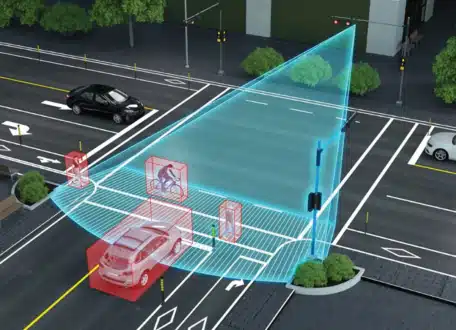
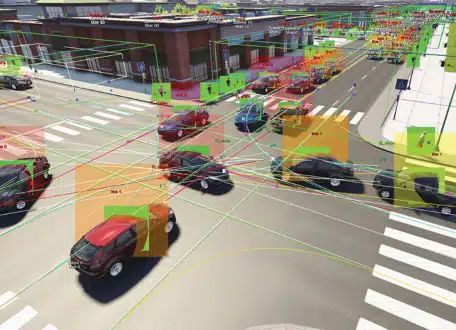
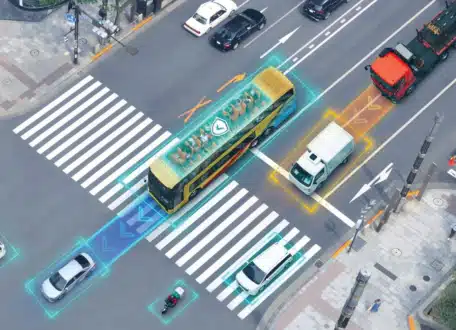
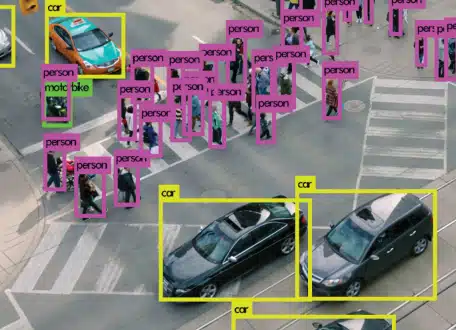
Cameras allow for the tracking of pedestrian, vehicle, and cyclist movements. This data enables the optimization of intersection management and the efficient planning of urban infrastructure.

Optimisation des infrastructures routières

Optimization of road infrastructure

AI identifies congestion areas and adjusts traffic light management in real time. This helps reduce traffic jams and improve traffic flow.

Amélioration de la sécurité

Security improvement

Computer vision detects risky behaviors, such as speeding or reckless crossings, and provides real-time alerts to prevent accidents.

Personnalisation de l’expérience client

Personalizing the customer experience

By analyzing public transport flows and eco-friendly modes of travel, AI encourages more environmentally responsible choices. This reduces the carbon footprint and improves the quality of urban life.

Cutting-edge technologies for urban mobility

Advanced technologies and high-performance algorithms are transforming urban mobility management, optimizing travel and sustainability.

Algorithmes de détection et de suivi

Detection and tracking algorithms

Models like YOLO and Faster R-CNN can identify and locate vehicles, pedestrians, and cyclists. To track their movements, solutions like DeepSORT and ByteTrack ensure continuous and accurate monitoring.

Vision multispectrale

Multispectral vision

Thanks to infrared cameras and LiDAR systems, multispectral vision offers unparalleled perception, whether for nighttime monitoring or for accurately measuring distances and volumes in complex environments

Réseaux neuronaux avancés

Advanced Neural Networks

CNNs are used to recognize objects and scenes, while RNNs analyze mobility flows across time series, thus improving the prediction of trends and behaviors.

Edge computing et fusion multimodale

Edge computing and multimodal fusion

Smart cameras process data locally, reducing latency and bandwidth consumption. Multimodal fusion integrates this information with data from sensors, such as traffic sensors and GPS, for a comprehensive and coherent view of urban flows.


Challenges and limitations

The challenges to overcome in order to harness the potential of computer vision in the Smart City

Précision et complexité

Precision and complexity

Changes in lighting, inclement weather, or obstacles reduce the reliability of analyses. To improve performance, models require training on diverse and representative data.

Vie privée et régulations

Privacy and regulations

The mass collection of video data raises privacy concerns. Anonymizing streams and complying with regulations like the GDPR are essential to ensuring public trust.

Coût et infrastructure

Cost and infrastructure

Deploying high-resolution cameras and real-time processing systems requires significant investment. Integration with existing urban infrastructure also remains a challenge.

Inspiring use cases in the Smart City

These real-world applications illustrate the enormous potential of this technology to make business processes more efficient, secure, and personalized.

Singapour

Singapore

Using smart cameras and vision algorithms, Singapore analyzes traffic in real time, reducing congestion and optimizing the punctuality of public transport.

Barcelone

Barcelona

Barcelona uses computer vision to analyze pedestrian traffic and identify risky behavior. This approach enhances safety and improves the organization of urban spaces.

Los Angeles

Los Angeles

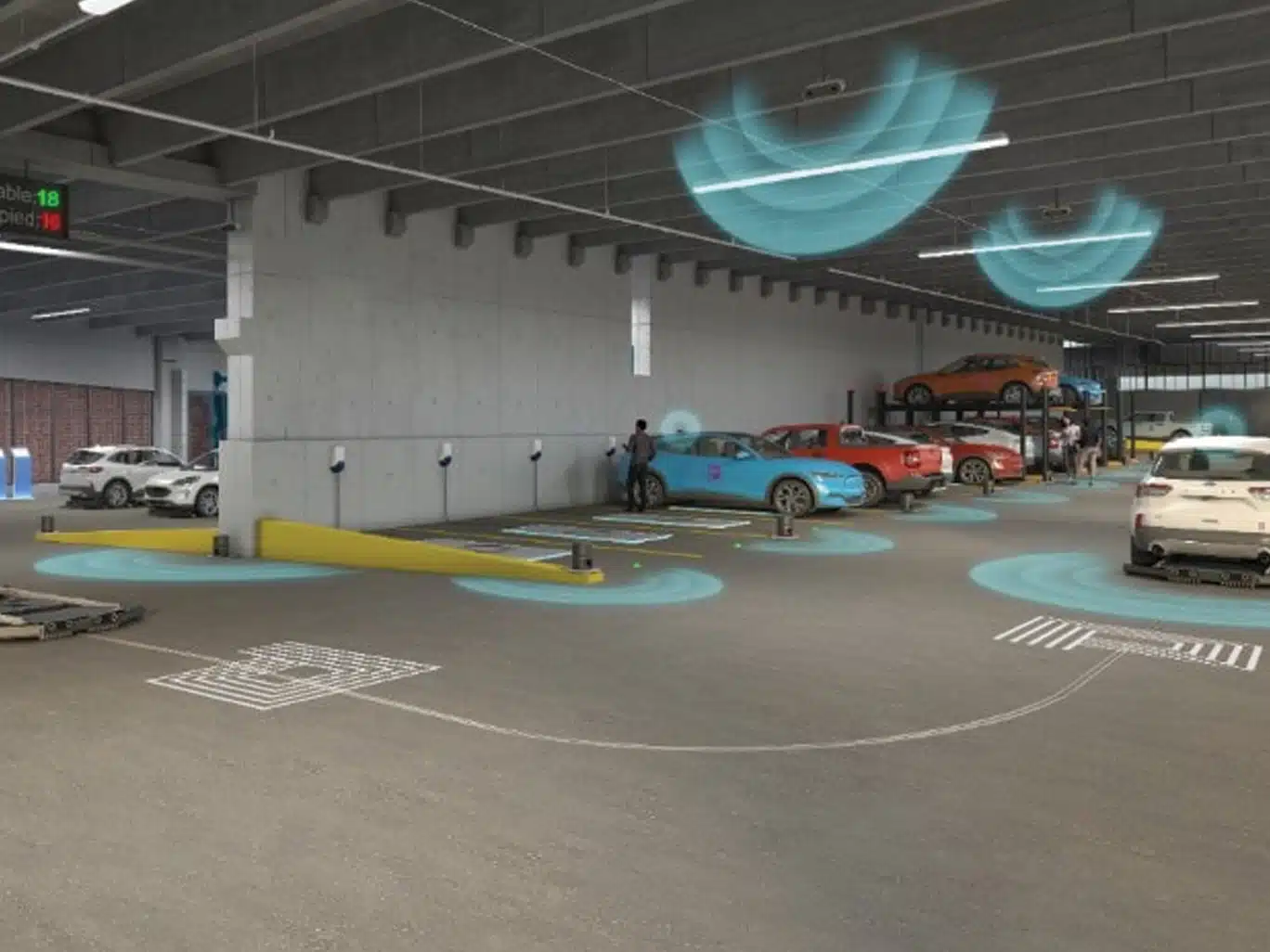
Vision systems detect available parking spaces and guide drivers, reducing search time and parking-related pollution.